 FlipTrip Team
Where Romans Actually Eat: A Neighborhood-by-Neighborhood Food Guide to Testaccio, Pigneto & Centocelle
Every “eat like a local in Rome” article we’ve ever read sends you to the same three streets in Trastevere. And look, Trastevere isn’t bad — but when your Roman friend invites you to dinner, they’re not heading there. They’re catching the metro to Testaccio, walking to Pigneto, or making the short tram ride to Centocelle.
We spent weeks following food journalists, local wine bar owners, and an embarrassing number of Instagram food accounts to map out where Romans genuinely eat in 2026. What we found is a corridor — three neighborhoods stretching east and south from the center — that tells the story of Roman food culture right now. Old-school trattorie next to natural wine bars. Fifth-generation butchers sharing a street with vegan aperitivo spots. This is Rome eating, updated.
Why You Need to Leave the Centro Storico
Here’s the uncomfortable truth: the historic center has become a dining theme park. Menus in four languages, €18 carbonara made with cream (a crime here), and restaurants that survive on one-time tourist visits rather than regulars coming back.
The neighborhoods we’re covering sit between 10 and 25 minutes from the Colosseum by metro or tram. That’s it. We’re not sending you to the suburbs — we’re sending you to where the city actually lives and breathes after work hours.
The reward for those few extra metro stops? Plates that cost 30-40% less than centro storico equivalents. Pasta made by people whose nonnas made the same dish in the same kitchen. Wine lists curated by people who care about what’s in your glass, not what’s on your credit card.
And a feeling — harder to quantify but impossible to miss — of eating somewhere real. Where the waiter doesn’t hand you a laminated menu. Where the table next to you is speaking Roman dialect. Where the bill arrives without a “coperto turistica” markup.
Testaccio: Rome’s Original Foodie Neighborhood
Testaccio has been Rome’s food neighborhood since the 1800s when the city’s slaughterhouse operated here. That legacy — nose-to-tail eating born from working-class necessity — defines the area’s kitchen to this day. Coda alla vaccinara (oxtail stew), trippa alla romana, rigatoni with pajata (intestines). These aren’t dishes restaurants invented for tourists. They’re what butchers’ families ate because they received cuts nobody else wanted.
What’s changed in 2026: The old slaughterhouse is now a contemporary art complex (MACRO Testaccio), and the neighborhood has gentrified considerably — but the food institutions have held firm. What’s new is a wave of natural wine bars and contemporary Roman trattorias that respect tradition while pushing it forward.
Where to eat:
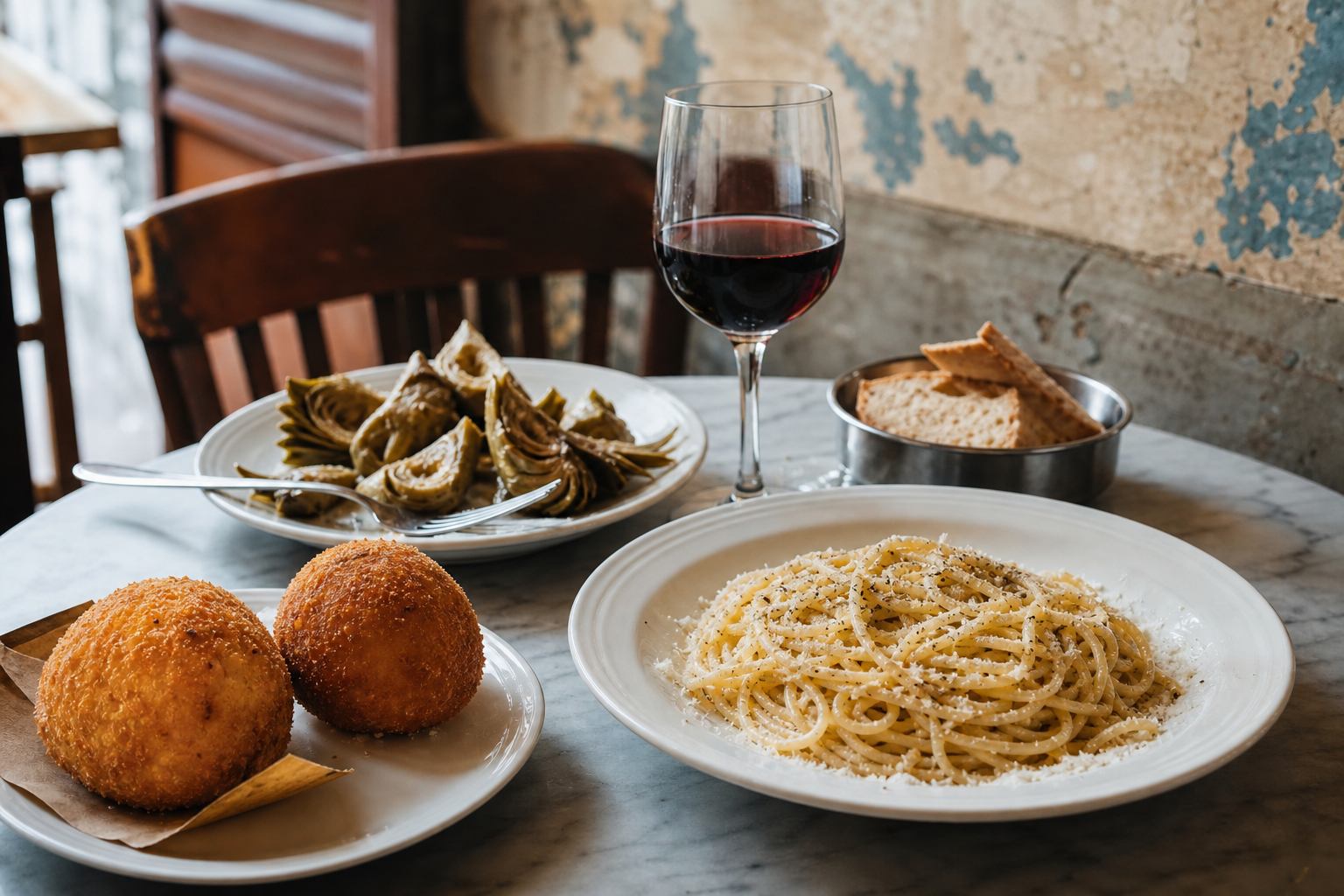
The Testaccio Market (Mercato di Testaccio) is ground zero. It moved to its current covered building on Via Beniamino Franklin in 2012, and it’s where we always start. Stall vendors selling supplé (fried rice balls) for a couple of euros, fresh pasta cut to order, and some of the city’s best street food. Go hungry before noon.
For a proper sit-down, Da Felice a Testaccio on Via Mastro Giorgio is the classic — their tiramisu is legendary and the Thursday gnocchi tradition still holds. Expect to book ahead.
Flavio al Velavevodetto, built literally into the ancient Monte Testaccio (a hill made of Roman-era pottery shards), serves one of the neighborhood’s best cacio e pepe in a setting you won’t find anywhere else in the city.
Best time to visit: Testaccio lives on a lunch rhythm. The market is best before 13:00, and many trattorias do their most honest cooking at midday. Evening works too, but this is a neighborhood that peaks at pranzo.
Pigneto: Natural Wine and New Roman Cooking
If Testaccio is Roman food’s past holding strong, Pigneto is its future arguing loudly. This eastern neighborhood — made famous by Pasolini, who filmed Accattone on its streets — went from rough-edged working class to creative-class haven over the past decade. Today it’s where young Roman chefs and sommeliers open their first projects.
The main drag, Via del Pigneto (a pedestrian street most evenings), buzzes with aperitivo energy from about 18:00. But the neighborhood’s real appeal is in the side streets, where you’ll find trattorias and wine bars that could hold their own in any European food city.
What to seek out:
Il Tiaso has been gaining serious attention from local food media. This intimate spot focuses on seasonal Roman cooking with an exceptional natural wine list — the kind of place where the owner pours you something you’ve never heard of and it becomes the best thing you drink all trip. Their late-night kitchen hours (still serving after 23:00) fill a gap in a city that traditionally eats early.
Trecca, a natural wine bar that opened to strong local buzz, represents the new Pigneto perfectly: small-producer wines from across Italy, simple but precise food, and a crowd that’s 90% Roman. The kind of place where you go for one glass and leave three hours later.
For something more traditional, Pigneto still has its old-guard trattorias serving Roman classics at prices that reflect the neighborhood’s non-touristy status. Expect to pay €10-12 for a primo (pasta course) rather than the €16-18 you’d see near the Pantheon.
The vibe: Pigneto skews younger and more creative than Testaccio. Expect street art, vintage shops, and a mix of Italian and international residents. Weekend evenings get lively — this is one of Rome’s aperitivo neighborhoods.
Centocelle: The Emerging Neighborhood Locals Love
This is where some of the most exciting new openings are happening. Menabò, which opened in 2026, has quickly become a neighborhood favorite for its updated takes on Roman classics without losing the soul.
Now we’re getting genuinely off the radar. Centocelle sits further east along the Via Casilina, and even many Romans haven’t clocked it yet as a dining destination. But Italian food media has — La Cucina Italiana has profiled its restaurant scene, and the neighborhood keeps appearing in “where to eat in Rome” lists written in Italian (always a telling signal).
Why it’s happening here: Rents are still affordable, which means young chefs can experiment without the financial pressure that forces centro storico restaurants into safe, tourist-pleasing menus. The result is creativity — restaurants taking risks, unusual wine lists, cuisines beyond Italian.
The neighborhood itself is resolutely residential. No monuments, no tour groups, no Instagram backdrops. Just apartment blocks, local shops, and an increasing number of genuinely exciting places to eat.
What’s drawing food people here:
Centocelle’s newer restaurant scene sits alongside incredible old-school bakeries and pizza al taglio spots that have served the neighborhood for decades. The contrast is part of the appeal — a cutting-edge tasting menu restaurant next to a forno (bakery) that’s been making pizza bianca since the 1960s.
Look for places along Via dei Castani and the surrounding streets. The neighborhood rewards wandering — check what’s buzzing on Roman food accounts close to your visit date, as the scene here evolves quickly. Several spots we visited during research were less than a year old.
A note on expectations: Centocelle doesn’t have Pigneto’s street-scene energy or Testaccio’s market charm. It’s quieter, more residential, more genuinely “local neighborhood” in feel. That’s exactly the point. You’re not here for atmosphere — you’re here because a Roman friend told you about a specific restaurant and you trust them.
GetYourGuide: Rome Food Tour
Guided tasting walk through Testaccio market with a local chef.
How to Get to These Neighborhoods (It’s Easy)
One of the reasons these neighborhoods stay undertouristed is a perception that they’re “far.” They’re not.
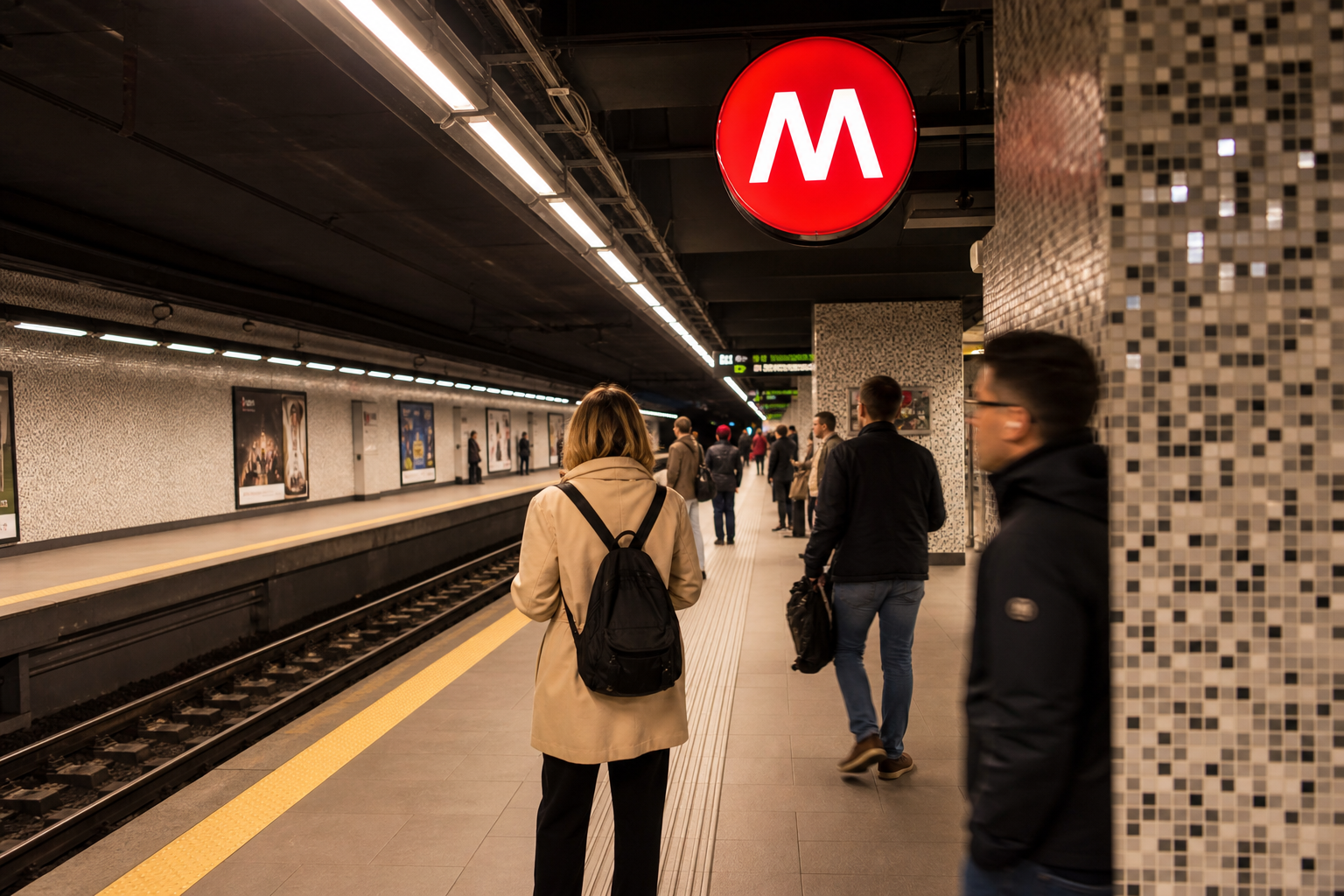
Testaccio: Metro Line B to Piramide station. You’re in the heart of Testaccio in a 5-minute walk. Alternatively, tram 3 from Trastevere drops you right there. From the Colosseum, it’s genuinely one metro stop.
Pigneto: The easiest option is tram 5 or 14 from Termini area, or the overground train (FL1/FL3) to Pigneto station. The pedestrian street is a 3-minute walk from the station. You can also walk from Termini in about 25 minutes through San Lorenzo — another interesting neighborhood worth passing through.
Centocelle: Metro Line C to Gardenie or Mirti stations puts you right in the neighborhood. Line C is Rome’s newest metro line, and the stations are modern and clean. From Termini, it’s about 15 minutes including one transfer at San Giovanni.
Our suggestion: Do all three in one day. Start with Testaccio for a market lunch, metro to Pigneto for afternoon wine, then Line C to Centocelle for dinner. It’s a food crawl that tells the whole story of Roman eating — past, present, and future — and you’ll never be more than 20 minutes from the center.
If you’re already exploring Rome on foot, our create your own trip cover the historic center, which pairs well with a self-guided food day in these outer neighborhoods.
What to Order: A Quick Roman Menu Cheat Sheet
If you’re eating in these neighborhoods, you’ll encounter the same core Roman dishes everywhere. Here’s what they are so you can order with confidence:
The “Big Four” Roman pastas:
- Cacio e pepe — pecorino cheese and black pepper. Deceptively simple, incredibly hard to get right. The sauce should be creamy from emulsified cheese, never gluey.
- Carbonara — egg, guanciale (cured pork cheek), pecorino. Never cream. If a restaurant uses cream, leave.
- Amatriciana — tomato sauce with guanciale and pecorino. The tomato version of carbonara’s flavor profile.
- Gricia — guanciale, pecorino, pepper. Essentially carbonara without egg, or cacio e pepe with pork. The most underordered of the four.
Beyond pasta:
- Supplé — fried rice balls, usually with tomato ragé and mozzarella. Rome’s best street snack.
- Carciofi alla romana / alla giudia — artichokes braised (romana) or deep-fried (giudia). Seasonal — roughly November to April.
- Saltimbocca — veal with prosciutto and sage. Literally “jumps in the mouth.”
- Trippa alla romana — tripe in tomato sauce. Testaccio’s signature. Don’t be squeamish — it’s extraordinary here.
On wine: House wine (vino della casa) in these neighborhoods is almost always drinkable and cheap. But if you’re at a natural wine bar in Pigneto, trust the staff’s recommendations — they’re pouring things you won’t find at home.
Tipping: Service (servizio) is usually included. Leaving a euro or two extra for good service is appreciated but not expected. Don’t tip 20% — it’ll confuse everyone.
Getting around these neighborhoods on foot? Comfortable shoes matter on Rome’s sampietrini cobblestones — we tested the best walking shoes for European cobblestones across three cities.
If you’re planning your first visit to Rome, our create your own trip cover the centro storico highlights and give you the orientation to confidently explore neighborhoods like Testaccio, Pigneto, and Centocelle on your own.