 FlipTrip Team
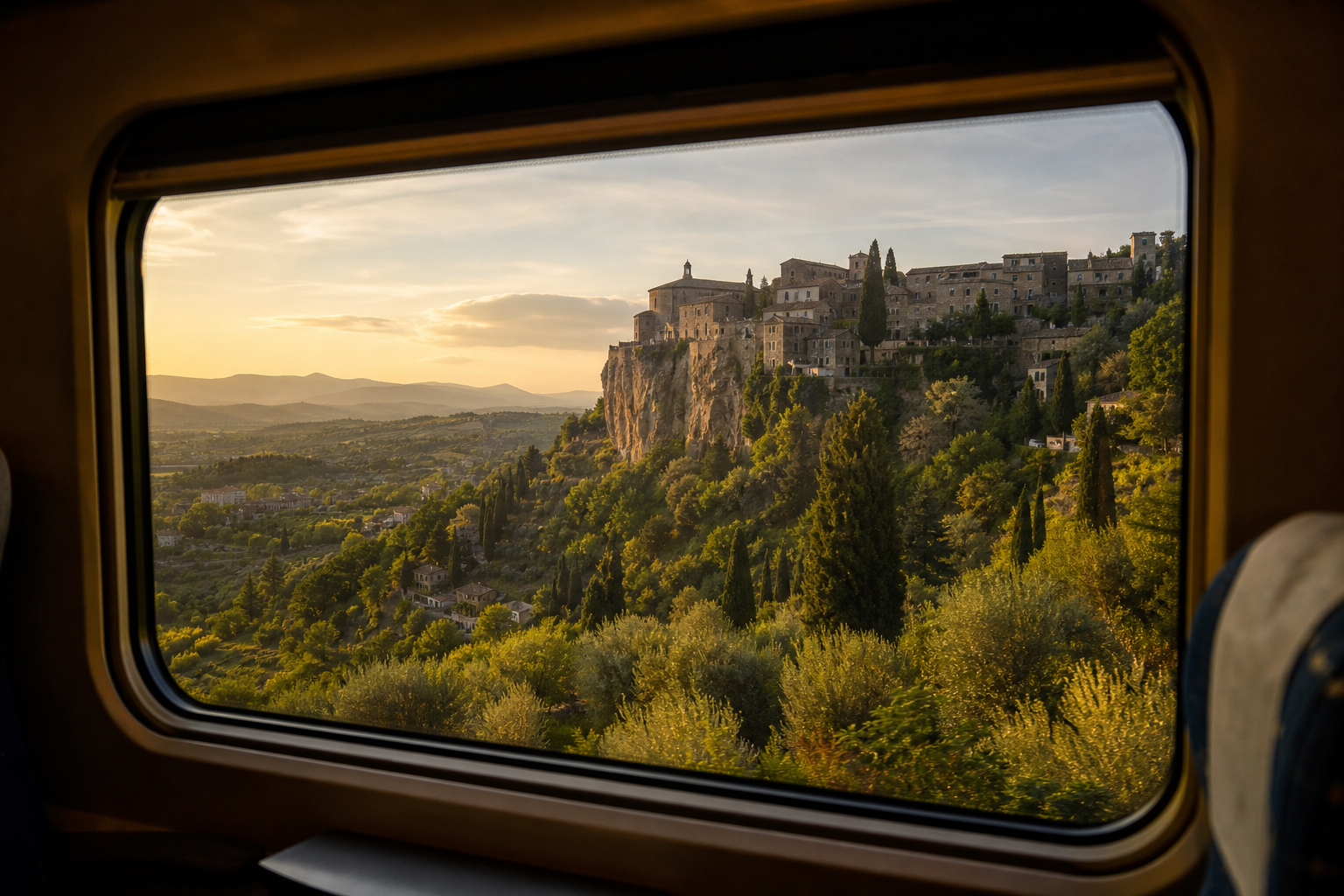
Three days into a Rome trip, most people hit the same wall: they want a day out of the city, they open a booking site, and every result is a €90 coach tour with a countdown timer screaming “likely to sell out.” What almost nobody tells you is that a first-class Frecciarossa to Naples can cost €14.90 if you book two weeks ahead, and the regional train to Tivoli is about €4 with no reservation at all.
We booked, timed and priced the popular day trips out of Rome so you don’t have to guess. For each one there’s a single question that matters — is the paid tour genuinely doing something you can’t easily do yourself, or is it just charging you €70 to buy a train ticket on your behalf? The answer changes trip to trip, and we’ll give you a straight verdict every time.
How we think about “worth it”
A day trip has three costs, not one. There’s the money, the time, and the hassle — the mental load of figuring out platforms, connections and timed-entry tickets in a language you may not read.
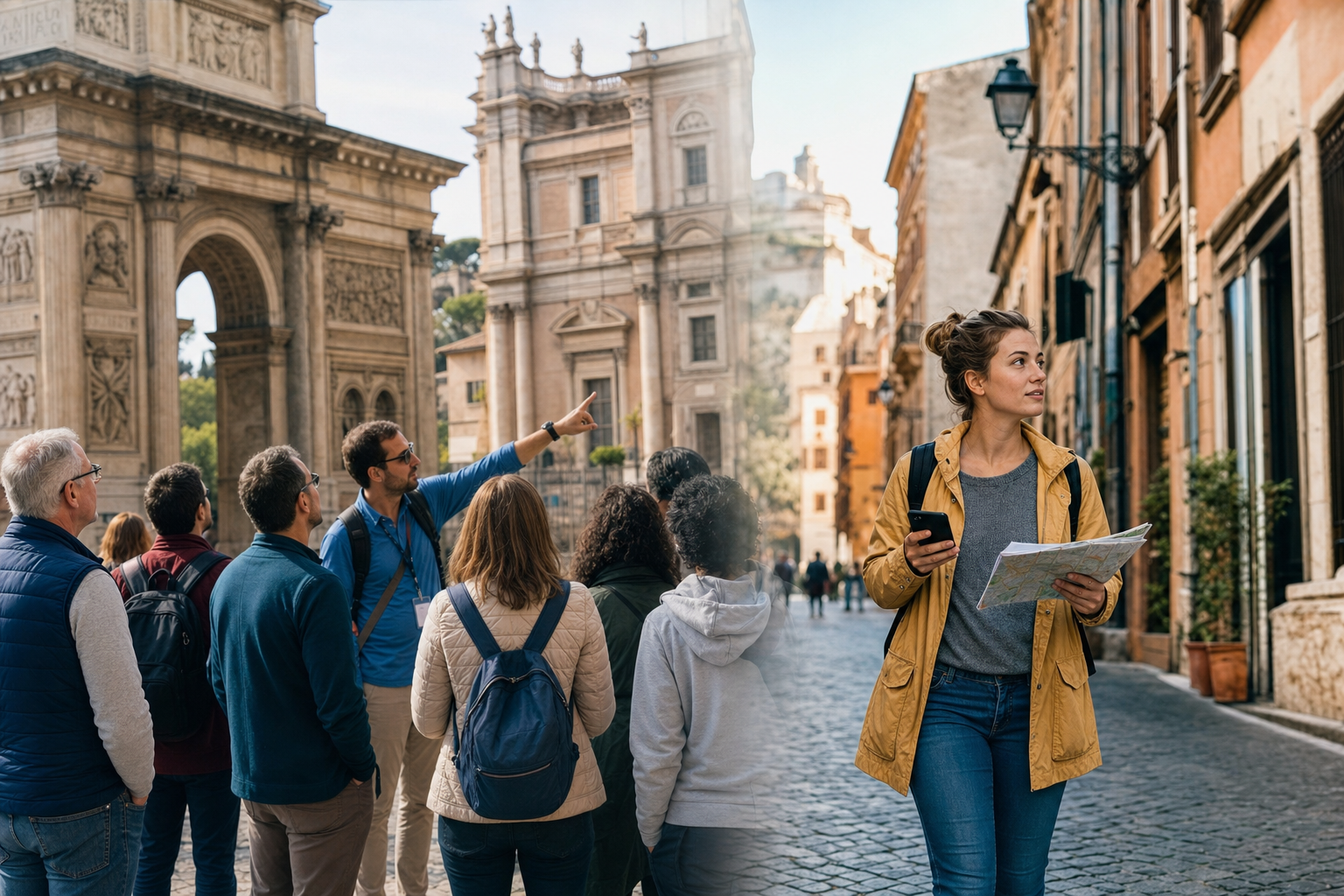
A guided tour bundles all three into a single price and hands the hassle to someone else. That’s real value on trips where the logistics are genuinely fiddly: two buses and a walk, a site with no signage, an entry queue that eats two hours in July. On a clean point-to-point train ride to a walkable town, that same tour is charging a premium for convenience you didn’t need.
So the honest test isn’t “tour or train.” It’s: on this specific route, is the hard part the transport, the tickets, or the understanding? If the answer is “none of them, really,” keep your money and take the train. We break the framework down further in our guide to deciding between a guided day trip and DIY.
The genuine day trips (and the verdict on each)
Tivoli — DIY, almost always
Two UNESCO sites in one day: Villa d’Este, with its terraced Renaissance gardens and hundreds of fountains, and Hadrian’s Villa, the sprawling imperial estate just outside town. The regional train from Roma Tiburtina runs frequently and costs roughly €4 each way, about 45–60 minutes. Villa d’Este entry is €15 full price; Hadrian’s Villa is €12.
Add it up and a full independent day — train, both entry tickets, a simple lunch — lands around €45–60 per person. A guided version runs €55–100 and typically bolts on a coach and commentary you can replicate with a €5 audioguide. The one wrinkle: from Tivoli station it’s a 20-minute uphill walk to Villa d’Este, brutal in August heat, so take local bus 4 or 4X instead. That’s the whole “logistics problem,” and it costs €1.
Verdict: DIY. The only reason to book a tour here is if you physically cannot face planning the two-site shuffle, and even then the savings are large.
Orvieto — DIY
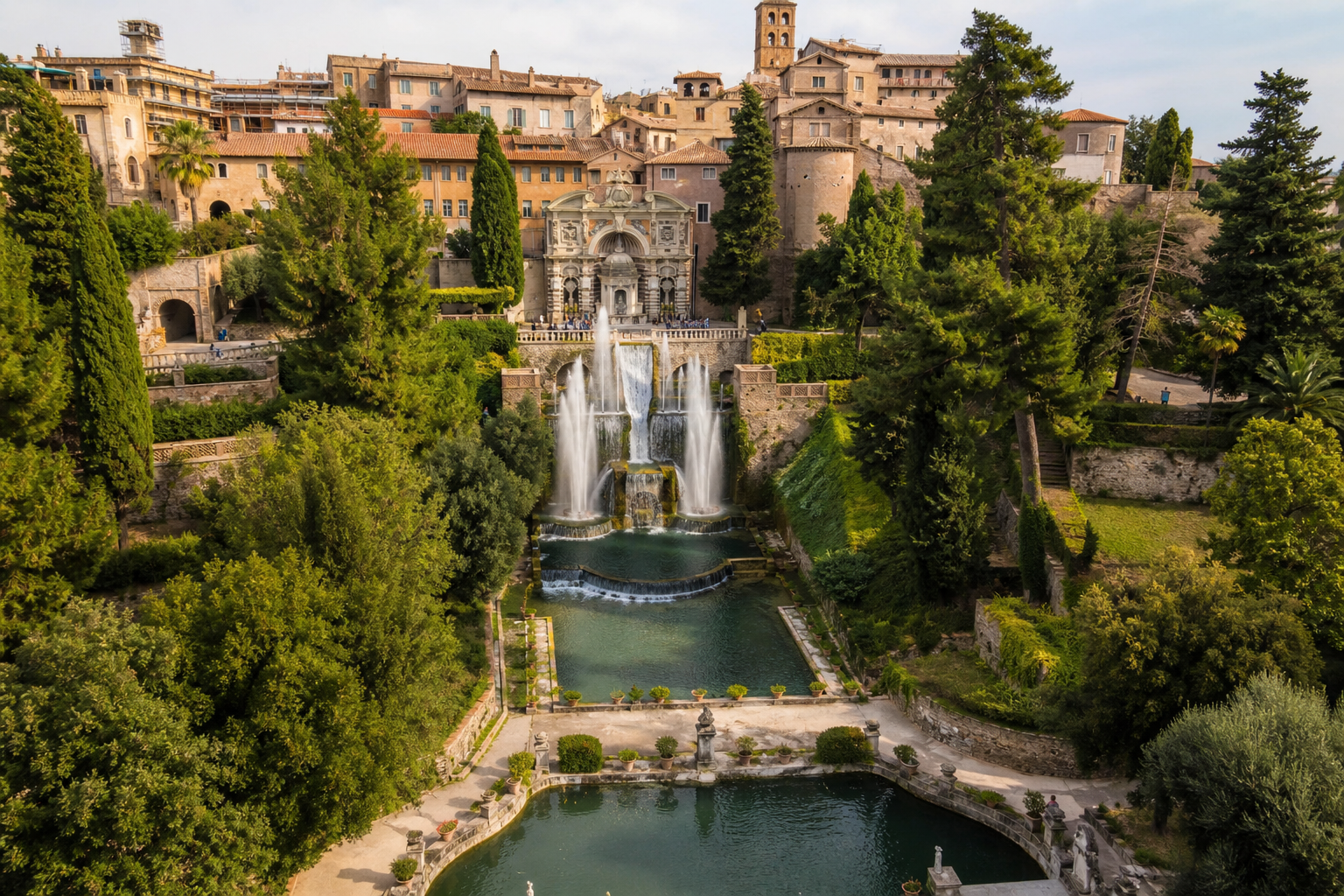
A clifftop Umbrian town on a plug of volcanic tufa, crowned by one of Italy’s most jaw-dropping cathedral facades. Direct regional or intercity trains leave Roma Termini and take about 1h10–1h25; expect €8–12 on a Regionale Veloce, more on an Intercity. From the station in the valley, a 90-second funicular (about €1.30) climbs to the old town, or the Carta Unica combo pass (€28) folds in the funicular, town buses and the underground tunnels.
The town is small enough to cover on foot in a day. There’s no transfer maze, no timed-entry scramble. Verdict: DIY — this is exactly the kind of compact, one-train trip where a coach tour adds nothing but a markup.
Naples — DIY
Italy’s third city sits 1h10–1h15 from Roma Termini on Frecciarossa or Italo, with Italo advance fares from €14.90 and Frecciarossa typically €20–40. There are 50-plus fast trains a day, so you’re not locked to one departure. Once there, the pizza (Sorbillo on Via dei Tribunali is the pilgrimage), the National Archaeological Museum and the Spaccanapoli spine are all walkable or a short metro hop.
Naples rewards independence. Verdict: DIY — book the train early, wander freely, skip the tour.
Pompeii — it’s genuinely close
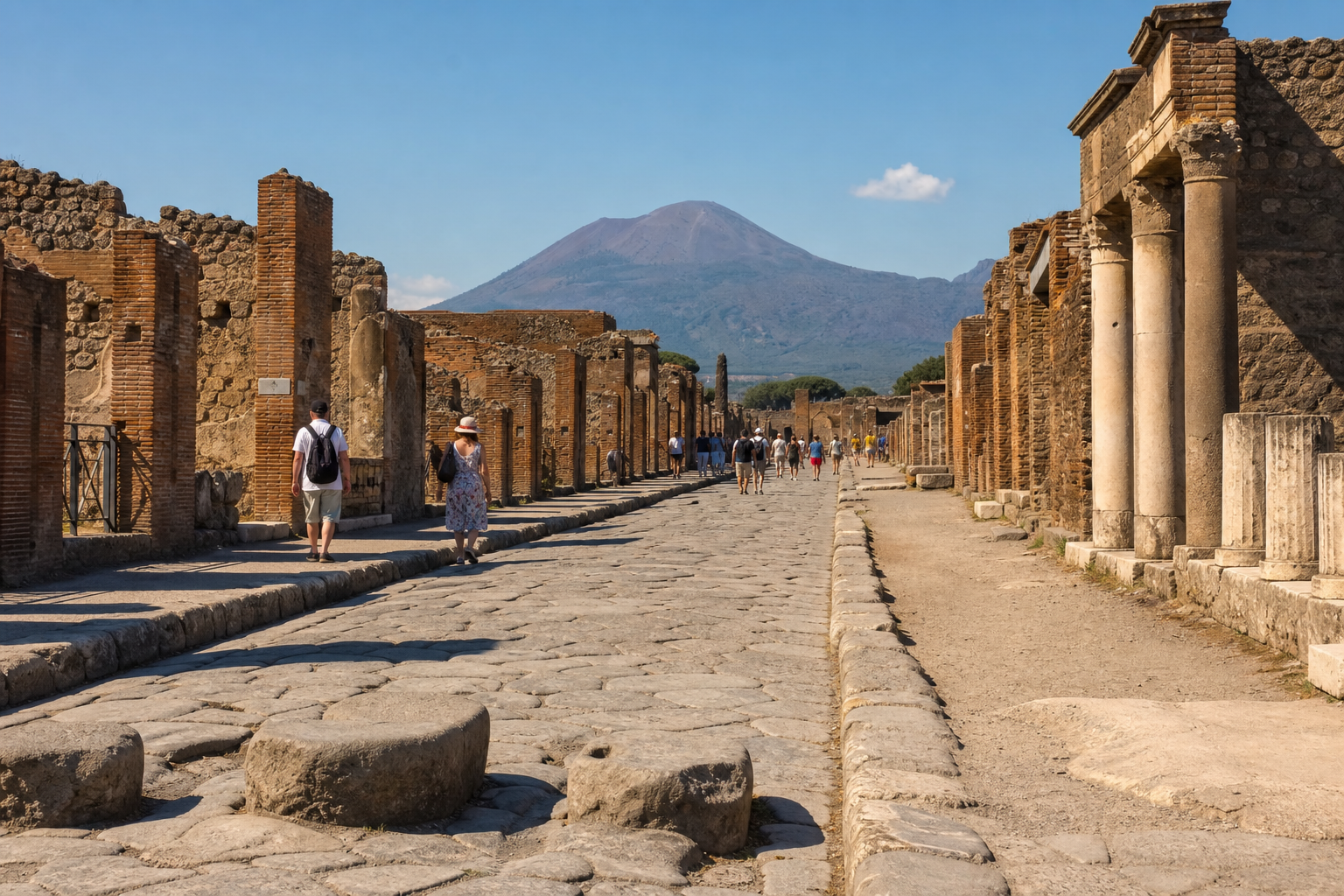
Here the math flips in a way that surprises people. Doing Pompeii independently means the Frecciarossa to Naples, then the Circumvesuviana regional line to Pompei Scavi (about 35 minutes, €3.30, bought at the ticket window or via contactless tap-and-go), then the entry ticket. All in, DIY runs roughly €78–118 per person — and Pompeii has almost no on-site signage, so many people wander for hours unsure what they’re looking at.
A well-reviewed GetYourGuide coach tour with a licensed guide and skip-the-line entry has been running around €54.50, which is less than the DIY transport alone and includes the context the ruins don’t provide. That’s rare. Usually the tour is the pricier option; on Pompeii, for a first visit, it often isn’t. We go deep on the timings and the ticket traps in our Rome to Pompeii day trip guide.
Verdict: guided for a first visit; DIY only if you want 5+ hours on site or plan to add Herculaneum.
The Amalfi Coast — book the tour, or don’t go for the day
This is the trip people most want and most regret. The Amalfi Coast as a same-day return from Rome is mostly transit: fast train to Naples, then a long coastal road with no efficient public transport, then all of it in reverse. Guided tours make it possible — 12 to 14 hours door to door, coach or minivan, prices from about €67 up to €140+ per person, with Pompeii often tacked on. Some VIP small-group versions using the high-speed train and a private driver run €220–250.
Independently, you’d spend most of the day at bus stops. Verdict: guided if you insist on doing it in a day — but honestly, the coast deserves an overnight. If you have the flexibility, base yourself in Sorrento for two nights instead of burning a full day on wheels.
Florence — reachable, better as an overnight
The Frecciarossa covers Rome to Firenze Santa Maria Novella in about 1h30, with advance fares from €19.90 (and sub-€30 seats if you book 60 days out). You can absolutely see the Duomo, Ponte Vecchio and the David in a day. The catch is the Uffizi: the summer queue runs 90 minutes or more, so a self-guided Florence day really needs a timed-entry ticket booked in advance.
Verdict: DIY the train, pre-book the museum. A €220–280 bundled Florence day tour with train and Uffizi entry exists and is convenient, but you’re paying a heavy premium for a booking you can make yourself in ten minutes.
The pattern underneath all of this
Look back over those verdicts and a rule emerges. Guides earn their fee when the problem is access or understanding — a queue that costs hours, a site with no context, a coastline with no public transport. When the problem is merely “buy a ticket and get on a train,” the tour is selling convenience at a steep margin.
Rome is unusually good for DIY because Italy’s rail network is dense, cheap and reliable, and the classic day-trip towns have stations. That’s not true everywhere, which is why the same question gives different answers in, say, the Douro Valley or the Scottish Highlands. The decision framework travels better than any single verdict.
Booking without overpaying
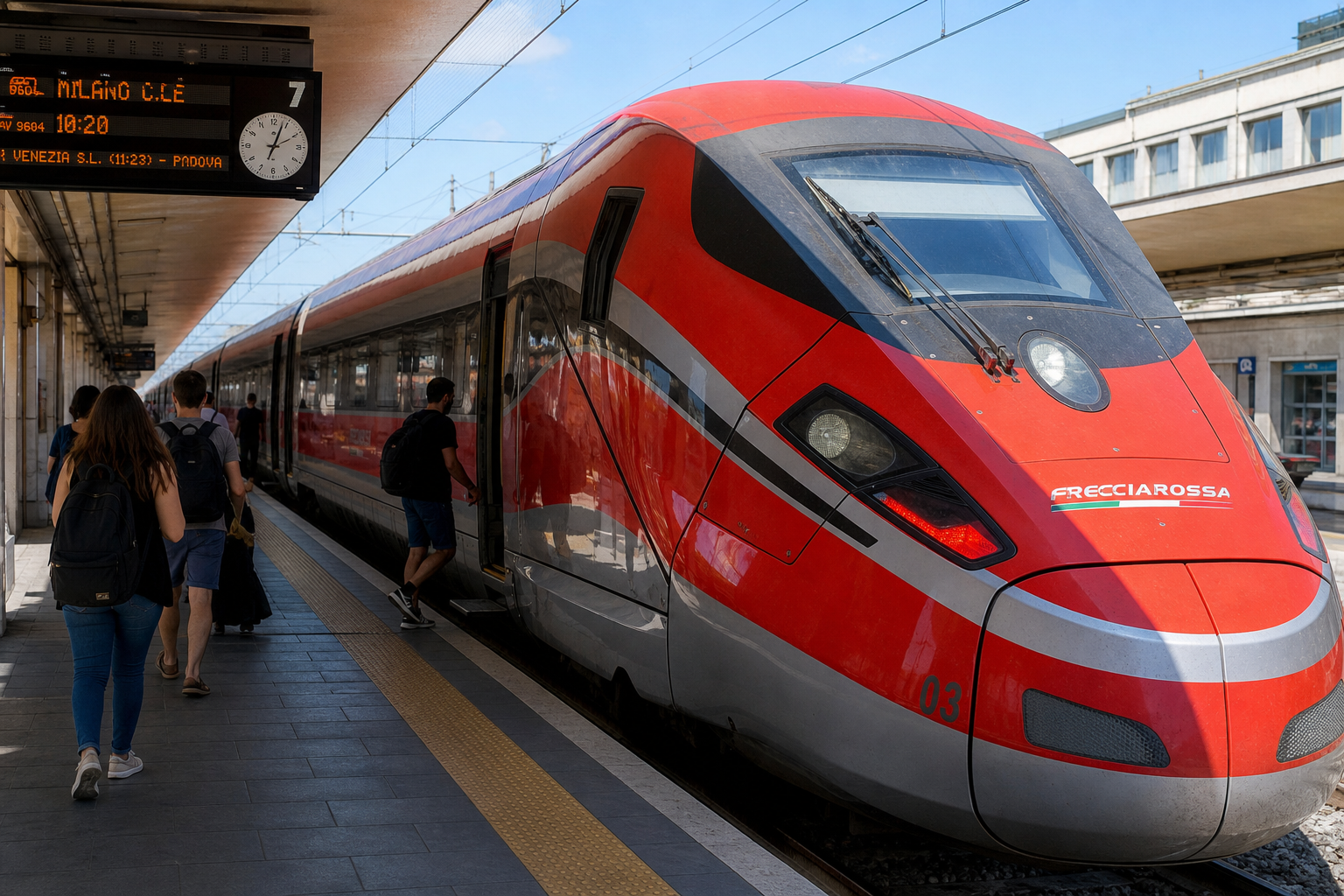
For the DIY trips, book high-speed trains 2–4 weeks ahead — same-day Frecciarossa fares to Naples routinely hit €44+ versus €14.90 booked early. Morning trains on Fridays and evening returns on Sundays sell out first. Regional trains to Tivoli, Ostia Antica and Orvieto need no reservation; buy on the day and validate paper tickets in the green machines before boarding. You can compare and book all of these — fast and regional — through Trainline in one place.
For the two trips where a guide genuinely wins — Pompeii for first-timers and the Amalfi Coast in a day — a reputable day tour from Rome handles the transfers, the skip-the-line entry and the context. Book the ones with small group sizes and free cancellation; a 50-person coach is a bus, not an experience.
This article contains affiliate links. If you book through them we may earn a small commission at no extra cost to you.
Turn any of these into a full day on foot
Most day-trip towns near Rome are small enough to walk end to end, and a good self-guided route beats trailing a flag around a piazza. Our free create your own trip can anchor your time in the city itself, and the wider Rome travel guides cover where to eat, where to stay and how the metro actually works before you head out for the day. For every trip we cover across Europe, start at the day trips hub.
One last practical note: whatever you pick, leave Rome early. The difference between a 7:30 and a 10:00 departure is the difference between a relaxed day and a race against the last train home.