
Getting Around
Metros, passes and tap-to-pay, decoded.
Getting a city's transport right on day one saves hours and real money. But every European city has its own quirks — which pass actually pays off, whether contactless works on buses, and where the metro is slower than your own two feet.
This hub breaks it down city by city with 2026 prices: the ticket that saves you money, the tap-to-pay setup that skips the queue, and honest advice on when to just walk. We replicate the same clear template for Rome, Paris, Barcelona and Lisbon.
It's deliberately lean, high-value top-of-funnel: every visitor searches "how to get around [city]," and these pages funnel into the higher-value day-trips, where-to-stay and free-walk content.
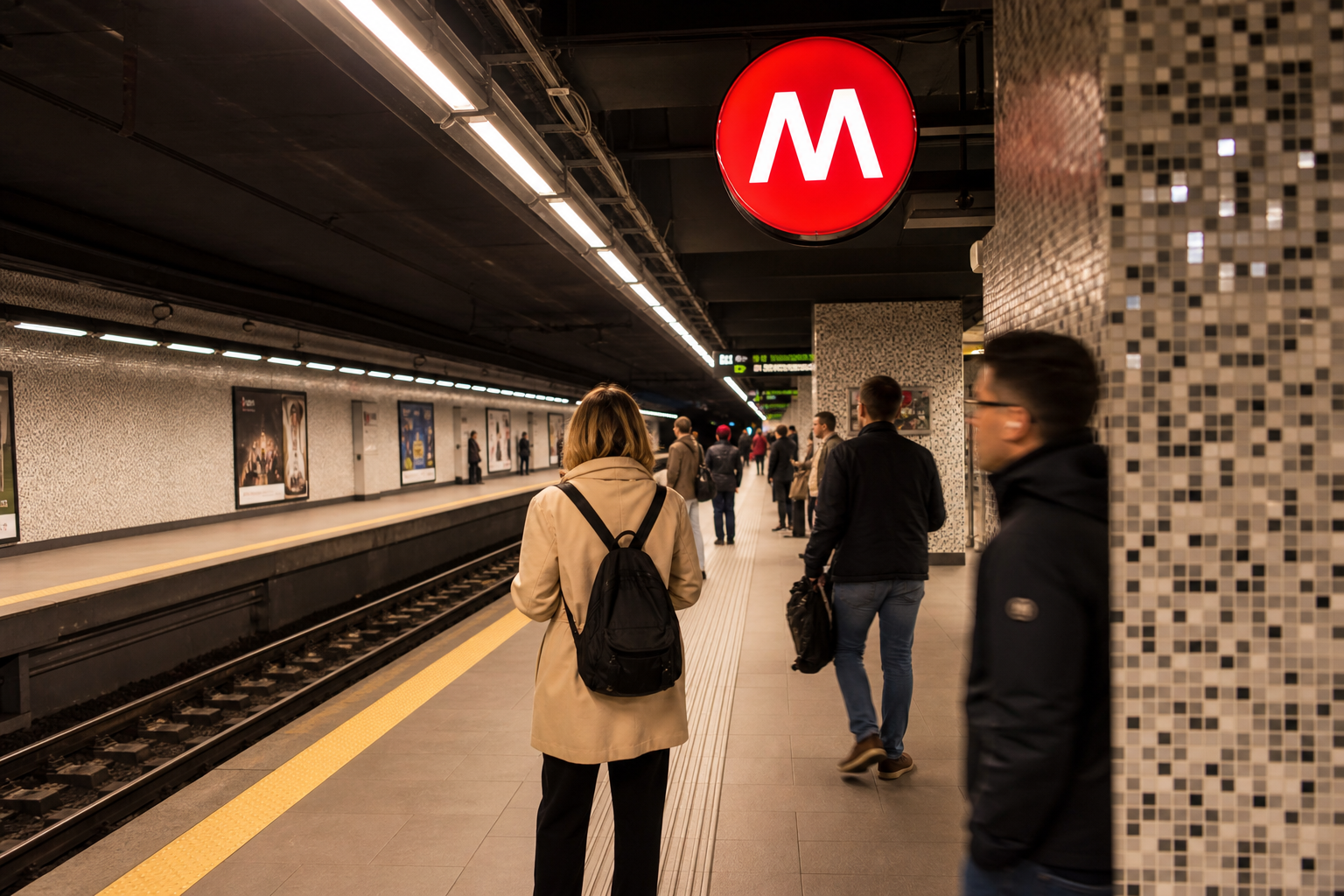
Getting Around essentials
Pacsafe Coversafe V75 RFID Neck Pouch
Keeps transit passes and cards safe from pickpockets on crowded buses and metros.
Check price →As an Amazon Associate, we earn from qualifying purchases.
Frequently asked questions
Is a city transport pass worth it for a few days?
Only if you'll take enough rides to beat single fares — usually 3+ rides a day. Each city guide does the math on daily vs. weekly vs. pay-as-you-go so you don't overpay.
Does contactless tap-to-pay work on European transit?
Increasingly yes on metros and some buses, but coverage is uneven and daily caps differ by city. Our guides list exactly what works where in 2026 — from Rome to Paris, Barcelona and Lisbon.
How do I get from the airport to the city center?
Most of our cities have a cheap train or bus that beats a taxi; a few (like late-night arrivals) are the exception. Each city transport guide lists the fastest and cheapest transfer with current prices.
How do I avoid pickpockets on crowded transit?
Keep cards and passes in a front pocket or an RFID neck pouch, and stay alert at busy interchange stations and on tourist lines like Lisbon's Tram 28. Our transit safety notes cover the specific lines to watch.